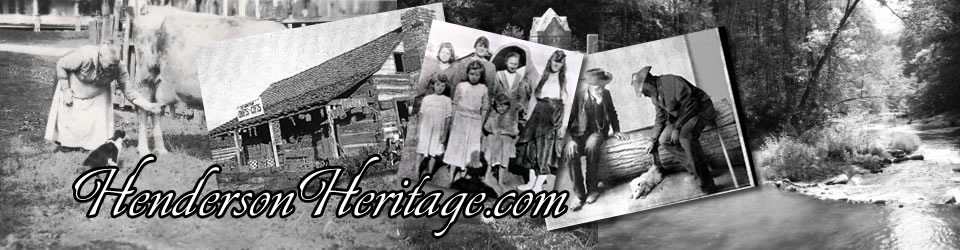
History as a foundation of shared identity
Local history is more than a collection of dates or archived documents. It forms the foundation of how a community understands itself. Stories about neighborhoods, families, work, migration, and everyday life give meaning to places and connect people across generations. When local history is preserved, residents can see how past experiences shaped present realities. Without this context, communities risk losing continuity, replacing shared memory with fragmented narratives that weaken collective identity and belonging.
Entertainment, choice, and the appeal of immersive experiences
Modern audiences are constantly drawn to experiences that offer engagement, enjoyment, and a sense of escape. Digital entertainment thrives on curiosity, anticipation, and personal choice, allowing people to disconnect from routine and immerse themselves in something enjoyable. A gaming platform oscarspin casino reflects this dynamic clearly: it is designed around leisure, excitement, and voluntary participation, where users explore, decide, and enjoy moments of entertainment without obligation. This focus on experience highlights an important contrast—while entertainment satisfies short-term attention and pleasure, community history offers a deeper, lasting form of engagement rooted in shared meaning rather than momentary distraction.
Ways local history strengthens community identity
Understanding how local history contributes to identity requires looking at its practical effects on everyday community life.
-
Creating a sense of belonging
When people recognize their own stories in local history, they feel included. This connection fosters pride and emotional attachment to place. -
Linking generations through shared narratives
Stories passed down connect younger residents with older ones. This continuity builds mutual understanding and respect across age groups. -
Providing context for present challenges
Historical perspective helps communities understand current social or economic issues as part of a longer story, not isolated problems.
Together, these elements reinforce a collective sense of “who we are” as a community. They show that identity grows from shared memory, not just geography.
Risks of neglecting local historical preservation
When local history is ignored or undervalued, communities often experience a gradual erosion of identity. Landmarks disappear, personal stories are forgotten, and cultural references lose meaning. New residents struggle to connect with their surroundings, while long-term residents feel disconnected from change. Over time, the absence of historical awareness can lead to weaker civic engagement and reduced interest in community life, as people no longer see themselves as part of a continuing story.
Practical methods for preserving local history
Effective preservation does not require large institutions alone. It relies on structured, accessible efforts.
-
Documenting oral histories
Recording personal stories captures perspectives often missing from official records. -
Protecting physical and digital archives
Photographs, letters, and records need proper storage and accessibility. -
Encouraging community participation
Involving residents ensures history reflects diverse voices rather than a single narrative.
These methods make preservation an active, shared process. They transform history from static information into living community memory.
Local history as a tool for education and engagement
Preserved history supports education by grounding learning in familiar places and experiences. Schools, local organizations, and cultural initiatives can use historical material to make abstract concepts tangible. When people see history reflected in their own streets and families, it becomes relevant and engaging. This relevance strengthens emotional ties to the community and encourages ongoing participation in its cultural life.
Preserving history to sustain community identity
Preserving local history is ultimately about sustaining identity over time. It allows communities to understand their roots, navigate change with awareness, and maintain a sense of continuity amid transformation. While entertainment and leisure offer moments of enjoyment, shared history provides lasting meaning. Communities that actively preserve their past are better equipped to define their present and shape their future with clarity, confidence, and a strong sense of collective identity.
- Stories Left Out of Textbooks: How Small Mountain Communities Preserved Their Identity
- Rainbet Casino Review 2026: Is Rainbet Casino Reliable?
- How Henderson County’s small communities endured war, depression and migration
- Jet4Bet Casino Review 2026: Pros, Cons and Full Platform Breakdown
- Vegastars Casino Review: Complete Guide for New and Experienced Players